
High Temperature Plastic Applications with Ready Plastics
When a part sits near an engine, inside a sterilizer, beside harsh chemicals, or in electronics exposed to high temperatures, the wrong plastic can deform, creep, crack, or fail. Discover how heat resistant polymers maintain performance.
High-Temperature Plastics: How Ready Plastics Can Help You Now
Heat resistant plastics matter because modern manufacturing keeps pushing parts into elevated temperatures, tighter tolerances, corrosive media, and lighter assemblies. These plastic materials are used across the automotive industry, aerospace industry, industrial settings, medical devices, and electronics because they combine light weight with high performance.
Ready Plastics supplies high performance plastics for demanding applications through an online-first platform built for speed. Our portal helps buyers check real-time inventory, see clear pricing, track orders, and get documentation through the process. Learn more about our supply model on the Ready Plastics About Us page.
We support high heat projects by helping customers:
- Compare high temperature plastic options for heat resistance, chemical resistance, and mechanical properties.
- Quote quickly with transparent pricing and live availability.
- Review documented heat deflection temperature and continuous operating temperatures.
- Order sheet, rod, tube, or cut-to-size stock for machining.
- Receive Certificates of Conformance and traceable documentation with every order.
The sections below walk through thermal characteristics, material families, real high temperature applications, and how to choose the right material with Ready Plastics.
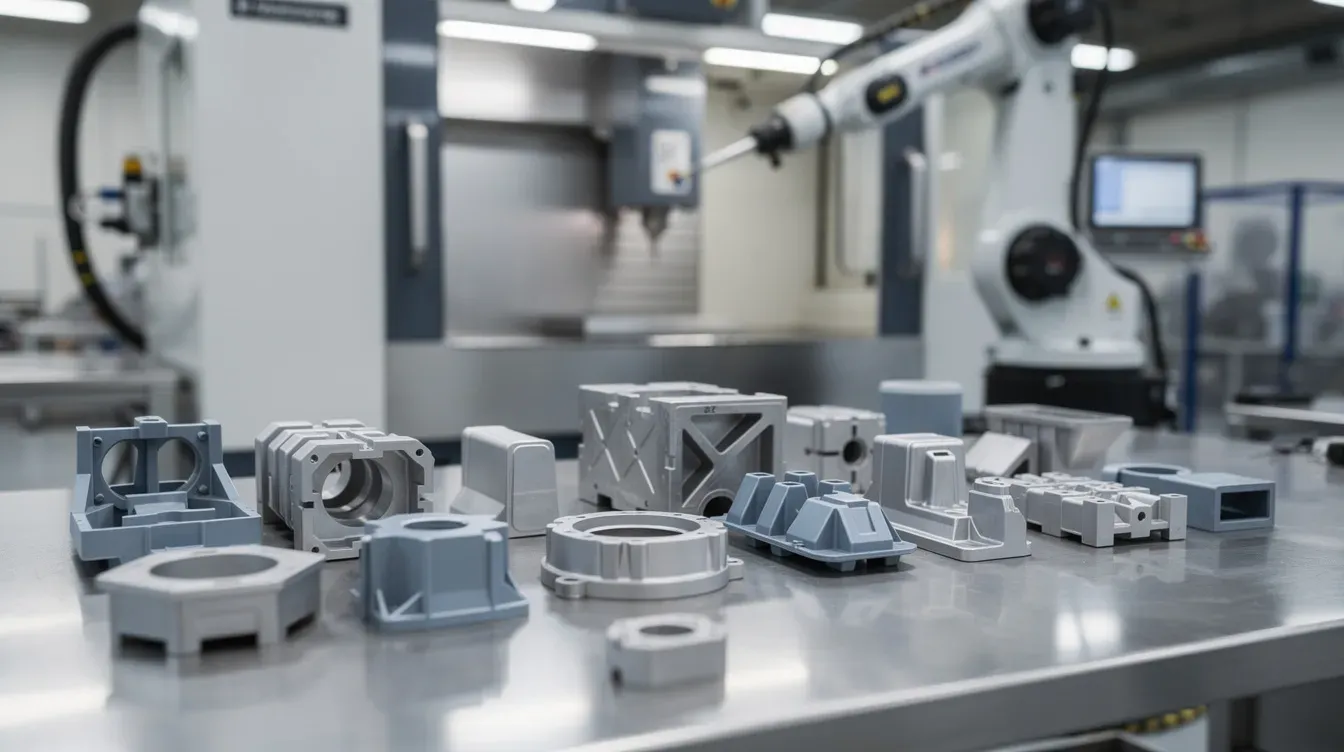
What Makes a Plastic “High Temperature” or Heat Resistant?
High temperature plastics can withstand temperatures over 150°C, and high temperature plastics can operate above 150°C while maintaining mechanical strength above 150°C. In general, high temperature plastics can withstand over 150°C to 300°C, while continuous service temperature for high-performance plastics can exceed 300°C in specialized materials. High-temperature plastics include thermoplastics and thermosets: thermoplastics can be remelted and reshaped repeatedly, while thermosets harden permanently when exposed to heat.
Key terms to check before choosing a heat resistant material include:
- Continuous operating temperature: long-term operating temperature capability; continuous service temperature is defined by IEC 216 standards, and continuous service temperature is defined by IEC 216 standards for aging behavior.
- Heat deflection temperature: the point where a material deforms under load, commonly tested under ASTM D648-style methods.
- Glass transition temperature: where amorphous plastics soften and lose stiffness.
- Melting point: where crystalline regions melt in semi-crystalline polymers.
- Thermal degradation: the point where heat permanently damages physical properties.
Ready Plastics stocks and sources engineering plastics and high performance plastics for moderate high heat, extreme heat, thermal cycling, and high temperature conditions. We provide specification sheets and Certificates of Conformance so customers can confirm high temperature resistance, high heat resistance, and exact heat resistance values before committing to production.
Amorphous vs. Semi-Crystalline: Understanding High Performance Plastics
The plastics pyramid separates commodity, engineering plastics, and high performance materials. Within high performance thermoplastic families, molecular structure matters: amorphous plastics soften gradually, while semi-crystalline plastics have ordered regions that improve stiffness and chemical durability.
- Amorphous plastics: gradual softening, no sharp melting point, good dimensional stability but typically lower chemical resistance. PEI, PSU, and PPSU are common choices for electrical insulation, sterilizable housings, hot fluid parts, and flame retardant materials. PEI has a maximum continuous service temperature of 170°C and provides excellent electrical insulation properties.
- Semi-crystalline plastics: distinct melting point, higher stiffness, better wear and chemical resistance at elevated temperatures. PEEK, PPS, PTFE, and PVDF are common choices when customers need excellent chemical resistance, wear resistance, corrosion resistance, low moisture absorption, and the ability to withstand high temperatures.
PEEK’s molecular structure includes rigid aromatic rings and chemical links; references to two chemical links often describe how ether and ketone linkages help create outstanding thermal performance. Ready Plastics can compare amorphous and semi-crystalline options side by side based on HDT, chemical exposure, light loads or heavy loads, creep resistance, and required structural integrity.
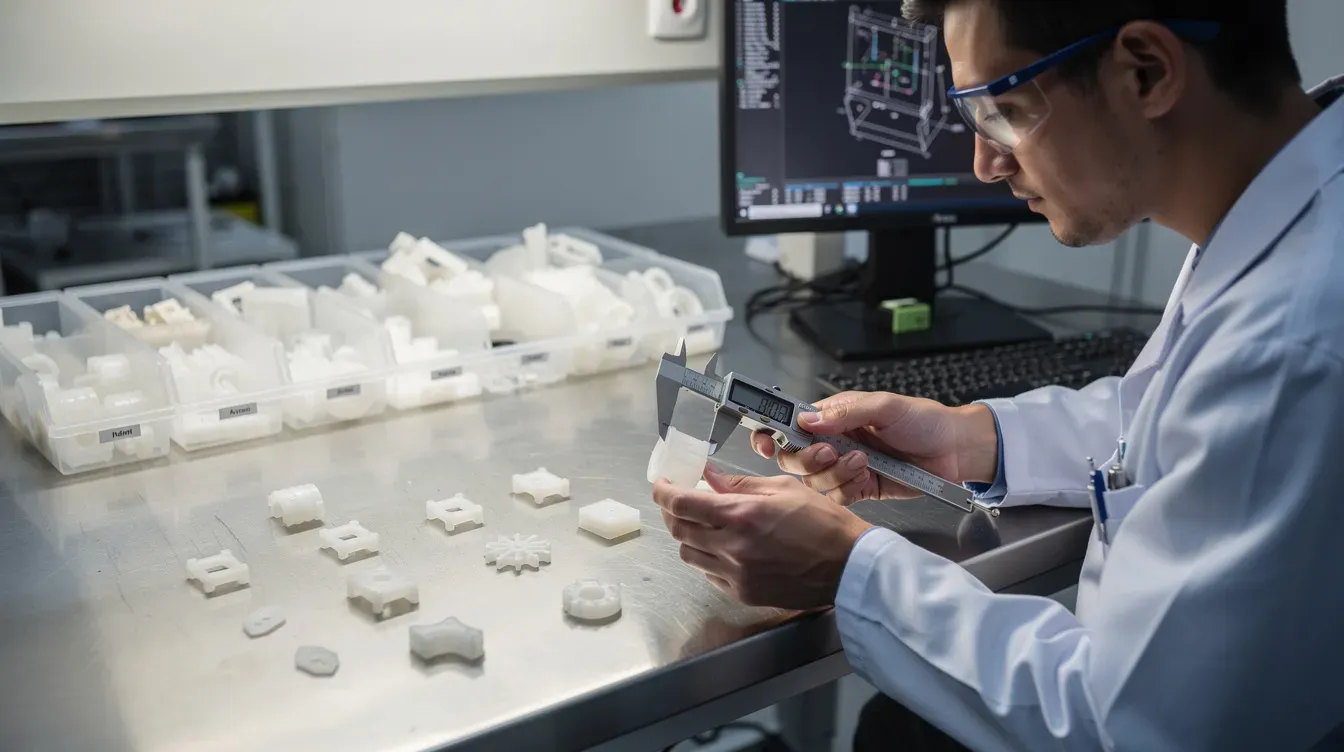
Key Thermal and Chemical Properties for High-Temperature Applications
Temperature alone is not enough. The right high temperature plastic must survive actual high temperature environments, including pressure, vibration, steam, fuels, solvents, harsh chemicals, and sliding contact against metals or other plastics.
Engineers should check:
- Continuous operating temperature, such as 100,000-hour aging data.
- Heat deflection temperature under load.
- Glass transition temperature and melting point.
- Creep resistance and dimensional stability at elevated temperatures.
- Chemical resistance to fuels, solvents, acids, steam, and cleaning agents.
- Wear and friction behavior, including low friction and wear performance.
High-temperature plastics maintain dimensional stability under heat, high-temperature plastics offer excellent chemical resistance, and high-temperature plastics resist wear and prevent leaks in corrosive environments. Selecting high-temperature plastics requires considering chemical exposure, environmental factors, mechanical strength, and whether the part must endure high-pressure sterilization.
Ready Plastics helps translate these data points into material recommendations for automotive powertrain parts, semiconductor processing, high-temperature electrical insulation, and circuit boards. Our team can pre-screen candidate materials before samples are ordered.
Top High Temperature Plastics Commonly Used in Industry
Ready Plastics regularly supports projects using a core group of top heat resistant plastics. These materials offer superior performance compared with many other plastics and can provide metal like durability with less weight.
- PEEK: semi-crystalline, continuous use around 250°C, excellent chemical resistance and mechanical strength, used in aerospace brackets, pump components, piston components, and semiconductor parts. PEEK withstands temperatures up to 310°C for short periods. PEEK can withstand temperatures up to 310°C. PEEK can withstand temperatures above 310°C for short periods. PEEK can resist temperatures up to 310°C for short periods. PEEK has the highest tensile and flexural strength among polymers.
- PTFE: continuous use up to about 260°C, outstanding chemical resistance, exceptional chemical resistance, and very low friction for seals, gaskets, and linings. PTFE has a melting point of 327°C and operates from -200°C to +260°C. PTFE has a melting point of 327°C and operates between -200°C and +260°C. PTFE has a melting point of 327°C. PTFE maintains strength from -200°C to +260°C. PTFE maintains strength from -200°C to 260°C.
- PPS: high heat and chemical resistance with low creep, used for electrical connectors, under-hood automotive parts, and pump housings. PPS is used in automotive parts due to its high dimensional stability.
- PEI (Ultem): amorphous with high HDT, inherent flame retardancy, and dielectric strength for aircraft interiors, electrical insulation properties, and high temperature housings.
- PPSU / PSU: high temperature engineering plastics used in medical technology for sterilizable instruments, medical devices, hot fluid handling, and parts that can withstand repeated high-pressure sterilization cycles.
- PBI: highly heat resistant for extreme temperatures; PBI has a maximum continuous service temperature of 398°C in inert environments. PBI has a maximum continuous service temperature of 398°C. PBI maintains mechanical stability at temperatures up to 398°C. PBI has a maximum service temperature of 398°C in inert environments.
- High-temperature polyimides: extreme heat resistance above 300°C for demanding applications involving friction, bearings, and extreme heat.
Ready Plastics can provide stock shapes and often cut-to-size material for machining. We also support glass-filled grades and carbon fibers; fillers like carbon fiber are used to enhance the properties of high-temperature plastics by improving stiffness, HDT, and dimensional control.
Industry Applications for High-Temperature Plastics
Ready Plastics serves various industries that need durable materials for high heat, high wear, harsh chemical, and high performance applications.
- Automotive: PPS and PEEK are used for turbocharger components, fuel system parts, under-hood connectors, and electric vehicle battery housings. High temperature thermoplastics are used in automotive applications where high heat resistance and excellent mechanical properties are required.
- Aerospace: PEEK and PEI support lightweight structural clips, cable clamps, engine components, aircraft exterior parts, and interior components. High-temperature plastics are used in aerospace for engine components, aerospace applications of high-temperature plastics benefit from high strength-to-weight ratios, and high temperature thermoplastics are replacing metals in aerospace applications.
- Electrical and electronics: high-temperature plastics are utilized in electronics for components like connectors and insulators. They also serve coil forms, circuit boards, and supports exposed to soldering peaks and continuous service temperatures.
- Industrial machinery: PTFE, PPS, and reinforced materials are used for bearings, wear strips, valve seats, and pump components running in hot, chemically aggressive environments.
- Medical and life sciences: PPSU and PSU are common for autoclavable parts, handles, and manifolds where high-temperature plastics are used in medical technology for sterilizable instruments.
Ready Plastics understands certification, traceability, and documentation requirements. Every order includes a Certificate of Conformance to support quality systems and audits.
Enhancing Performance with Fillers and Reinforcements
Fillers and reinforcements can extend usable temperature range, stiffness, wear resistance, and high temperature resistance. Thermoset composites are ideal for high-temperature applications, and thermoset composites offer excellent thermal resistance and mechanical properties. G10 and FR4 are common thermoset composites; G11 maintains structural integrity beyond 300°F, and G3 can handle sustained temperatures of 350°F (175°C).
Common reinforcement strategies include:
- Glass fibers to raise stiffness and HDT for structural components under load.
- Carbon fibers to combine high heat resistance with improved strength, dimensional stability, and sometimes conductivity.
- PTFE or graphite additives to reduce friction and improve wear performance at high temperatures.
- Mineral or ceramic fillers to improve thermal stability and dimensional control.
Ready Plastics can help determine whether filled grades are worth the trade-off. Reinforcement can improve high temperature resistance, but it may reduce impact strength, surface finish, or machinability.
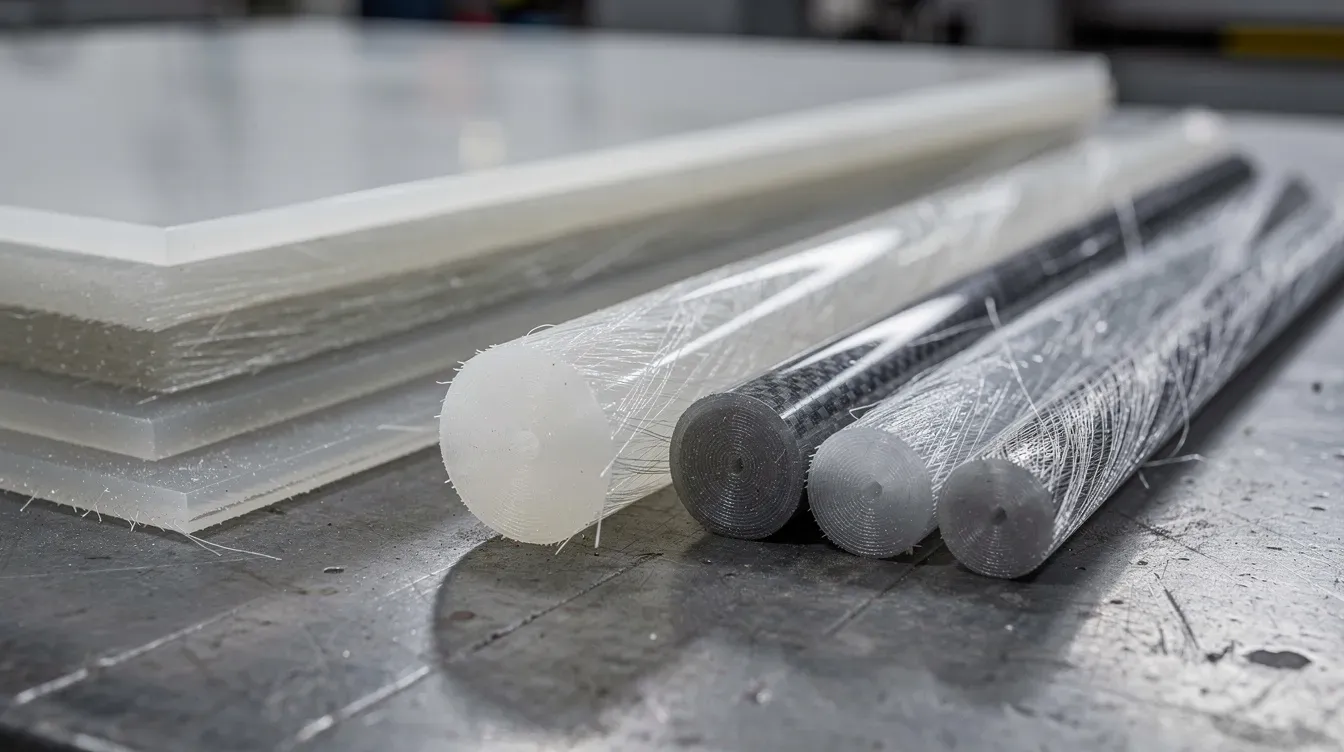
Selecting the Right Heat Resistant Plastic with Ready Plastics
Ready Plastics is not just a distributor. We help customers specify the right high temperature plastic early, when material decisions still affect cost, validation, and lead time.
Our selection process can help you:
- Define continuous and peak operating temperatures, including dwell time at extreme heat.
- Identify exposure to chemicals, fuels, steam, cleaning agents, or harsh chemicals.
- Quantify mechanical loads, creep, friction, and wear resistance needs.
- Review compliance needs such as flammability, sterilization, food contact, or aerospace requirements.
- Balance exceptional heat resistance, budget, lead time, and manufacturability.
High-temperature plastics are lightweight alternatives to metals, but the right material depends on the full application. Our online tools, real-time inventory, and fast quoting help customers narrow viable options and get prototype material on the floor faster. We encourage testing small quantities in the real environment before full rollout, then supporting repeat orders with lot traceability.
Why Work with Ready Plastics for High-Temperature Applications?
Ready Plastics is an online-first supply partner for high performance plastics, heat resistant plastics, and materials used in high temperature applications. We help engineers and buyers move quickly without losing documentation, traceability, or confidence in the material.
You can work with us for:
- Real-time inventory and transparent pricing that let engineers quote quickly.
- Fast fulfillment and tracked shipping for build and maintenance windows.
- Certificates of Conformance and full documentation on every order.
- Material expertise around engineering plastics, high performance polymers, and elevated temperatures.
- Support for prototypes, one-off repairs, and production programs.
If you need a temperature plastic that can withstand temperatures beyond standard engineering grades, use Ready Plastics’ online portal or contact our team. We’ll help you compare high temperature plastic options, confirm data, check availability, and specify the right material for your application.
Semi-crystalline thermoplastic with continuous use up to 480°F, outstanding chemical resistance, and high strength.
Exceptional chemical resistance, extremely low friction, and stable operation from -200°C to +260°C.
Amorphous high-performance polymer offering high dielectric strength, flame retardancy, and great structural stiffness.
Extreme heat tolerance with service capabilities reaching 398°C (750°F) in inert environments.
Extensive stock of PEEK, PTFE, Ultem, and high-temp phenolics.
Complete material traceability with Certificates of Conformance.
Engineering assistance for thermal, mechanical, and chemical limits.