
Plastic: From Everyday Polymers to High‑Performance Electrical Insulation
Plastic is not one material—it is a broad family of polymers capable of being shaped or molded. Discover how advanced thermoset composite laminates and precision-machined plastics deliver high dielectric strength for OEMs in aerospace, electrical, EV, and semiconductor markets.
Plastic is not one material. It is a broad family of polymers that can be molded into various shapes, from food packaging and bottles to aerospace brackets, medical blood bags, phones, computers, and high voltage insulation.
The word comes from the Ancient Greek plastikos, meaning capable of being shaped or molded. That versatility explains why the plastics industry now exceeds 400 million tonnes of annual production, with 2024 production estimated at about 430.9 million metric tons globally, according to Statista.
At Atlas Fibre, plastic means more than commodity packaging materials. We manufacture thermoset composite laminates and precision-machined advanced plastics for OEMs in aerospace, electrical, EV, medical, defense, and semiconductor markets. This guide covers structure, classifications, dielectric strength, apparent dielectric strength, plastic waste, and how to choose the right material.
Introduction to Plastics in Modern Manufacturing
Most plastics begin as raw materials derived from petroleum, natural gas, crude oil, or increasingly renewable materials. Plastic is derived from fossil fuels and its production contributes to greenhouse gas emissions; plastic production contributed 1.8 billion tons of CO2 in 2019, and the lifecycle of plastic materials generates significant greenhouse gas emissions.
Still, plastics are versatile synthetic polymers used in various aspects of modern life because they combine low weight, chemical resistance, insulating properties, durability, and manufacturability. Plastics are used in packaging, accounting for 36% of production, while construction, transportation, electronics, clothing, healthcare, and energy equipment use the rest.
From Natural Plastics to High‑Performance Polymers: A Brief History
Plastics evolved from natural compounds into synthetic polymers that reshaped 20th- and 21st-century manufacture.
- In the 19th century, shellac, gutta-percha, and casein plastics made from hardened milk protein were early proto-plastics.
- Parkesine, a cellulose nitrate material patented in the 1850s, was one of the first semi-synthetic plastics.
- Bakelite, invented in 1907, was the first fully synthetic thermoset and became important for electrical insulation because it resisted heat and electricity.
- polyvinyl chloride, or pvc, commercialized in the 1920s–30s; polystyrene and nylon expanded in the 1930s; polyethylene grew in the 1930s–40s; polypropylene followed in the 1950s; and PET polyester became common in the 1970s.
- WWII and post-war industry accelerated plastics production for aircraft, consumer goods, and electrical components.
That history leads directly to modern thermoset laminates such as G10/FR4, phenolics, and polyimides-materials Atlas Fibre supplies for demanding aerospace and electrical applications.
Structure of Plastics: How Molecular Design Drives Performance
Polymer Backbone and Side Groups
Most plastics are organic polymers built from long chains of carbon atoms. The exact molecules, chain length, side groups, and crystallinity determine stiffness, thermal properties, chemical resistance, and dielectric behavior. Engineering polymers often have molecular weights in the tens or hundreds of thousands g/mol.
A monomer is a small molecule that reacts in a polymerization process. Ethylene becomes polyethylene; vinyl chloride becomes PVC; bisphenol A and phosgene can produce polycarbonate.
Backbones may contain C–C, C–O, or C–N bonds. Side groups change performance: chlorine in PVC improves flame resistance, fluorine in PTFE lowers dielectric loss, and aromatic rings in polyimides improve heat resistance. Isotactic polypropylene crystallizes better than atactic polypropylene, giving higher stiffness and a higher melting point.
Role of Fillers and Reinforcements
Thermosets add crosslinking. Epoxy, phenolic, melamine, and polyester resins cure into a 3D network that will not remelt. Crosslinking improves heat deflection, dimensional stability, creep resistance, and dielectric strength at elevated temperature.
Fillers and reinforcements tailor qualities. glass cloth in G10/FR4 raises strength and insulation reliability; paper and cotton reinforce phenolics; aramid fibers reduce body weight while retaining durability.
Classifications of Plastics and Where Thermosets Fit
Plastics can be classified by chemistry, processing behavior, morphology, and functional properties such as dielectric strength.
Common materials include:
- Polyolefins such as PE and PP
- Vinyls such as PVC
- Styrenics such as PS and ABS
- Polyesters such as PET and PBT
- Polyamides such as nylon
- Fluoropolymers such as PTFE
- Silicones
- High-temperature polyimides
Plastics are generally categorized into seven primary types with distinct properties for consumer recycling, including PET, HDPE, PVC, LDPE, PP, PS, and “other.” Commodity plastics account for approximately 80% of global production, and 80% of global plastic production includes commodity plastics such as PE, PP, PVC, PET, and PS.
Physical categories also matter. Rigid plastics become boxes, housings, and structural shapes. Flexible plastics become films, bags, tubing, and insulating film. Amorphous plastics are often clear; semi-crystalline plastics resist chemicals and wear. High-performance plastics can withstand temperatures above 302°F (150°C).
Thermoplastics vs. Thermosetting Polymers
Thermoplastics soften with heat and can be remelted. Thermoplastics can be molded repeatedly when heated, and examples of thermoplastics include polyethylene and PVC. PE is common in packaging, containers, and films; ABS appears in Lego bricks and computer housing; polycarbonate is used in lenses and guards; PEEK serves high-temperature components.
Thermosetting polymers retain their shape permanently after solidification. Epoxy, phenolic, melamine, polyester, and polyimide laminates are used in circuit boards, switchgear, transformers, and aerospace interiors.
The trade-off is clear: thermoplastics are easier to reform and recycle, while thermosets offer stronger dimensional stability, creep resistance, and electrical insulation under load. Atlas Fibre focuses on glass-epoxy G10 and FR4, paper-phenolic, cotton-phenolic, and polyimide laminates that are CNC-machined into tight-tolerance parts.
Amorphous, Semi‑Crystalline, and Crystalline Plastics
Amorphous plastics such as PS, PMMA, PC, and ABS have random molecular structure. They can be transparent or tough, but often have lower chemical resistance than semi-crystalline grades. Polycarbonate has a glass transition temperature around 145 °C.
Semi-crystalline plastics such as PE, PP, PA, PBT, and PEEK contain ordered crystalline regions. HDPE melts around 130 °C, resists chemicals and moisture, and is used in containers. Polyethylene terephthalate is clear, tough, and primarily used for disposable beverage bottles. Polypropylene has a high melting point and is used in reusable food containers. Low-density polyethylene is flexible and used in grocery bags and plastic wraps.
Many electrical insulation laminates combine crosslinked resin with glass or paper reinforcement, so morphology, reinforcement direction, and resin chemistry all affect dielectric performance and thermal index.
Conductive and Antistatic Polymers
Most plastics are insulators, but various types can be engineered to dissipate static or conduct electricity for ESD-sensitive equipment.
Intrinsically conductive polymers such as doped polyacetylene, polyaniline, and PEDOT:PSS can reach conductivities up to tens of kS/cm, but they remain niche versus metals. More often, insulating plastics are modified with carbon black, carbon fibers, metal fibers, nanomaterials, or surface treatments.
Atlas Fibre’s core portfolio emphasizes high-dielectric-strength insulating composites rather than conductive plastics. In transformers, switchgear, and power electronics, the goal is to control charge carriers and prevent failure under high voltage.
The Plastics Industry: Production, Compounding, and Converting
Global plastic production grew from roughly 2 million tonnes in 1950 to more than 400 million tonnes per year by 2021, with China leading output. The plastics industry includes resin producers, compounders, converters, fabricators, and OEMs.
About one-third of plastics go into packaging; major volumes also go into construction materials, transportation, textiles, medical equipment, electronics, and industrial machinery. Plastics are used in construction for pipes and windows. Plastics are utilized in electronics for phones and computers. Plastics are critical in healthcare for items like blood bags.
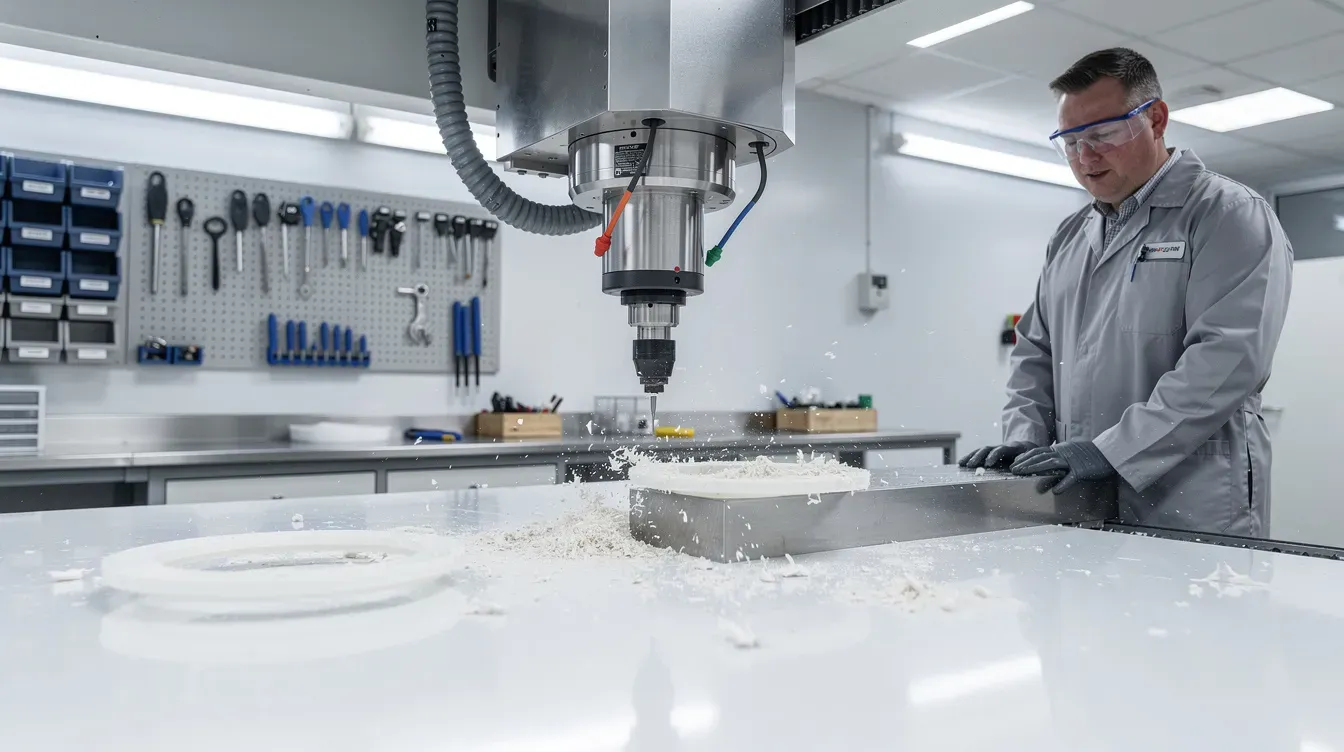
Atlas Fibre sits in the specialized fabrication segment: we supply thermoset laminate sheet, rod, tube, and machined parts, with same-day shipping on many in-stock items. Online-first sourcing models such as Ready Plastics show why real-time inventory, transparent fulfillment, order tracking, and Certificates of Conformance matter to modern buyers.
Global Production Trends and Market Segments
Thermoplastics such as PE, PP, PVC, PET, and PS make up roughly 80–85% of volume, while thermosets and specialty plastics are smaller in tonnage but critical in high-value applications.
Asia, Europe, and North America remain major production centers. Resin costs respond to energy prices, regulations, shipping, glass fiber supply, specialty resin availability, and petroleum markets.
Packaging is the largest sector at about 36%, followed by construction, automotive, electrical and electronics, consumer goods, and industrial machinery. 50% of modern cars are made of plastic components, and engineering plastics are used in vehicle parts and construction materials. Engineering plastics can replace metals, improving fuel efficiency by 6–8%.
Growth is strongest where performance is hardest: EV battery insulation, aerospace composites, semiconductor tooling, and high-frequency electronic substrates.
Compounding, Additives, and Tailored Properties
Pure materials are rarely used alone. Base polymers are compounded with stabilizers, flame retardants, plasticizers, colorants, lubricants, fillers, and processing aids.
A formulation can include dozens of additives, and thousands of additive types are used globally. Masterbatch pellets let converters dilute concentrated additives into bulk material for extrusion, molding, or other manufacture.
Additives help create UL 94 V-0 flame resistance, better dielectric strength, improved thermal properties, and more stable mechanical performance. They can also complicate recycling, especially when pigments, fillers, and flame retardants are mixed across waste streams.
Dielectric Strength of Plastics: Key to Electrical Insulation
Dielectric strength is the maximum electric field a dielectric material can withstand before breakdown occurs. It is usually reported in kV/mm or MV/m and measured with standards such as ASTM D149 or IEC 60243-1.
The intrinsic dielectric strength is an intrinsic property measured under ideal laboratory conditions. Practical dielectric strength is lower because real components have respective geometries, edges, machining marks, humidity, heat, and contamination. Common engineering plastics may span roughly 10–100 kV/mm; ABS often falls near 15–35 kV/mm; G10/FR4 laminates commonly show short-term values around 15–20 kV/mm depending on grade and test.
Apparent dielectric strength is the measured value for a specific specimen and setup. It often rises as thickness decreases because thinner samples contain fewer defects, so data sheets should not be treated as absolute design guarantees.
Dielectric Strength
Maximum electrical field a material can withstand before insulation breakdown.
- G10 / FR4: 15–20 kV/mm
- PTFE: High dielectric strength & low loss
- Phenolics: Reliable low/mid-voltage isolation
Thermal Retention
Stable performance through intense heat and voltage cycles.
- PEEK: Up to 480°F continuous service
- Polyimides: Resists high temperatures 500°F+
- Silicones: Outstanding heat & tracking resistance
Factors Affecting Apparent Dielectric Strength
Thickness matters. Electrode shape matters. A plane electrode, sphere electrode, or needle electrode can produce different stress concentrations and different readings.
Voltage waveform also matters: AC, DC, impulse, and ramp rate can change the result. Temperature, humidity, and moisture absorption can reduce dielectric strength because many polymers and composites absorb moisture that supports leakage or tracking.
Surface condition is equally practical. Dust, oils, salt residue, machining debris, rough edges, liquids, or chipped corners may reduce performance. Designers should apply safety factors, define creepage and clearance, and test parts in their normal operating environment.
Dielectric Strength in Thermoset Laminates and Advanced Composites
Thermoset laminates such as G10, FR4, and phenolic grades are engineered for dielectric stability, low loss, mechanical strength, and flame resistance. FR4 combines epoxy resin and glass reinforcement and is widely used for PCB substrates and machined insulation.
Glass orientation, resin system, laminate thickness, void content, and moisture history influence breakdown and partial discharge resistance. Phenolics are cost-effective for many electrical and mechanical components; polyimides step up for higher temperature exposure.
Typical applications include motor slot wedges, phase barriers, transformer spacers, PCB supports, and bus bar supports. Atlas Fibre machines these materials for AS9100D and ISO 9001-driven projects where traceability, tolerances, and documentation are as important as the sheet itself.
Applications of Plastics: From Packaging to High‑Voltage Insulation
Plastic touches nearly every sector. Common applications include:
- PET for beverage bottles
- HDPE for detergent containers
- LDPE for grocery bags
- PP for living hinges and reusable food containers
- PVC for pipes and window profiles
- Foamed polystyrene for building insulation
Plastics such as PVC are tough and can be made in rigid or flexible forms. PVC uses chlorine often derived from salt, plus ethylene, to produce compounds with good flame and chemical resistance.
In transportation, lower body weight improves efficiency. In renewable energy, plastics are used in solar panels and windmill blades for energy generation. In healthcare, clean polymer bags, tubing, and disposable devices help protect food, blood, and sterile liquids from contamination.
Electrical and Electronic Applications
Electrical applications need high dielectric strength, tracking resistance, dimensional stability, and predictable performance through thermal cycling.
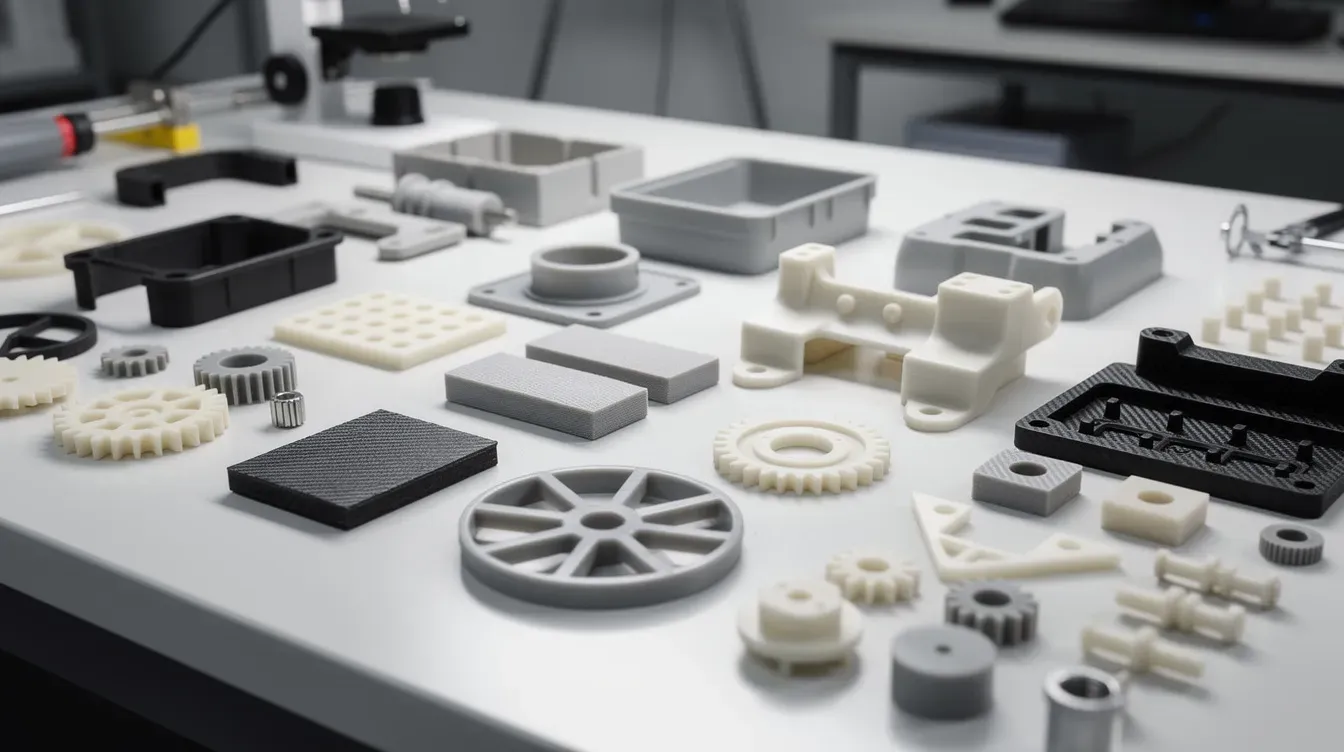
Common components include transformer spacers, bus bar supports, motor slot wedges, standoff insulators, PCB boards, antenna substrates, and power electronics barriers. FR4, G10, paper-phenolic, cotton-phenolic, and polyimide laminates are selected when commodity plastics do not provide enough insulation, strength, or heat resistance.
Standards and documentation matter. UL ratings, ASTM electrical tests, and controlled quality systems help ensure that parts behave consistently. Atlas Fibre’s AS9100D and ISO 9001 systems support aerospace and electrical customers that need traceable materials and Certificates of Conformance.
Aerospace, Defense, and EV Applications
Advanced plastics and thermoset composites enable lightweight, flame-resistant, electrically insulating parts for aircraft, satellites, defense systems, and electric vehicles.
Examples include interior panels, radome structures, sensor housings, battery pack insulation, connector bodies, structural brackets, and precision spacer shapes machined from G10, FR4, phenolic, and polyimide laminates.
These parts face vibration, fluids, heat, cold, and high voltage. Thermoset composites are durable, stable, and well suited for small-batch prototypes as well as production-scale CNC fabrication.
Plastic Waste, Environmental Impacts, and Circular Approaches
Plastic Waste Streams
Plastic waste generation exceeds 353 million tons annually primarily from single-use packaging. In 2018, over 343 million tons of plastic waste were generated. Only 9% of all plastics are recycled globally. Only 9% of global plastic waste is recycled.
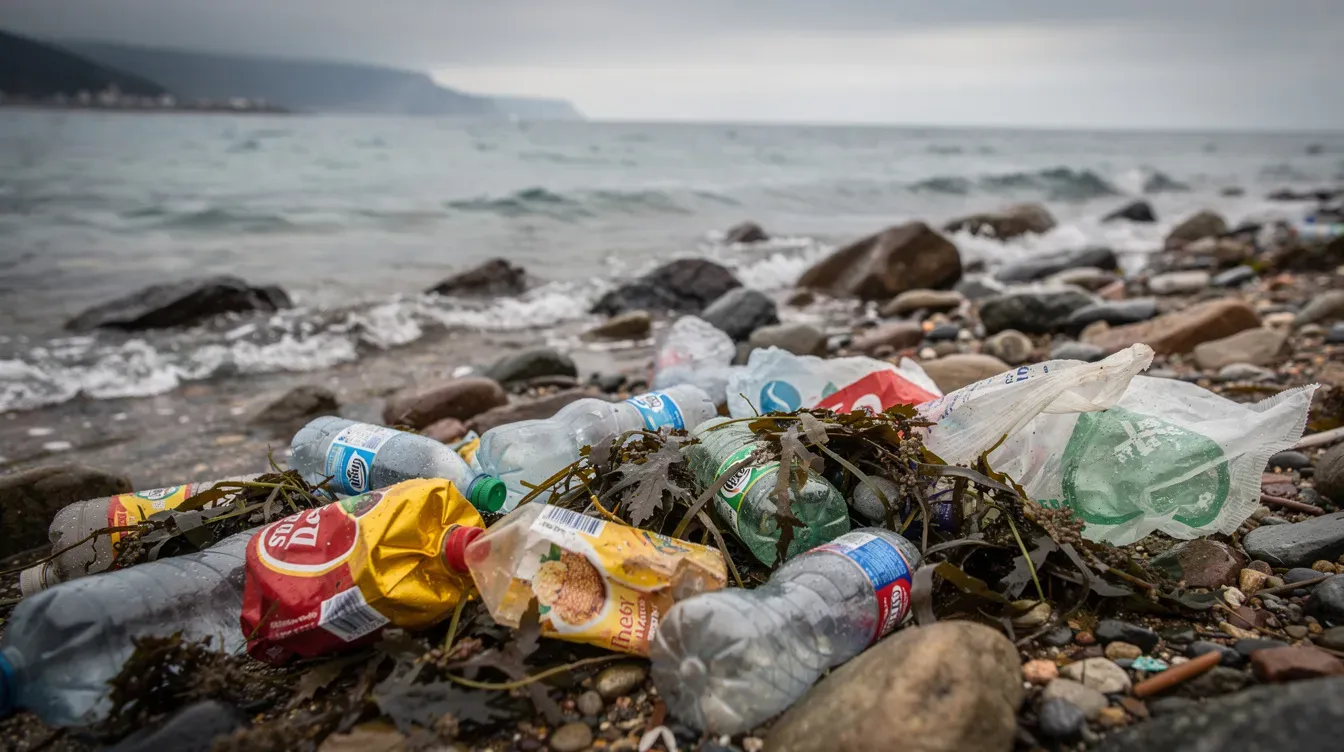
Over 22% of plastic waste is improperly disposed of or enters ecosystems. Approximately 8 million tonnes of plastic enter oceans annually, and 8 to 12 million tons of plastic enter oceans annually by broader estimates. In marine areas, 50% to 80% of debris is plastic.
Plastic waste includes post-consumer packaging, discarded containers, food packaging, construction debris, end-of-life vehicles, WEEE, and industrial offcuts. Advanced thermoset composites often last decades in critical equipment, but they still require end-of-life planning.
Microplastics, Degradation, and Long‑Term Persistence
Microplastics range from 1 μm to 5 mm, while nanoplastics are smaller than 1 μm. Primary microplastics include pellets and microfibers from clothing; secondary microplastics form when larger items break down.
Plastic breaks down into microplastics that can enter the food system. Microplastics have been found in various environments including soil and water supplies. UV radiation, oxidation, and abrasion cause plastic to break into smaller fragments; polyolefins such as PE and PP degrade slowly, while PET, PVC, and crosslinked thermosets follow more complex pathways.
Research into microbial and enzymatic degradation is promising, but it is not yet a mainstream waste-management solution.
Strategies for Reducing Plastic Waste
Plastic recycling primarily involves melting and reforming plastics, especially in mechanical recycling. Other paths include chemical recycling, depolymerization, pyrolysis, controlled energy recovery, and reuse where parts can become new items.
Proper recycling involves knowing the recycling numbers of common plastics like PET and HDPE. Optimized recycling strategies vary by local programs and accepted materials. Recycling rates for plastics lag behind aluminum and glass, and only ~1% of plastics have been recycled more than once.
Thermoset composites do not melt, so recycling is harder. Practical strategies include precise nesting, segregating scrap, reducing offcuts, and working with specialized recyclers. Durability also matters: a long-lived insulating component can reduce replacement frequency, downtime, and material waste.
Circular progress in the industry will combine better design, improved collection, advanced recycling, renewable materials, and smarter use of durable composites.
Choosing the Right Plastic or Composite for Engineering Projects
Choosing a plastic starts with the application environment: temperature, voltage, mechanical load, chemicals, moisture, flame requirements, and regulatory constraints. Then narrow by polymer family, reinforcement, thickness, machinability, and documentation needs.
For electrical designs, do not rely on a single dielectric number. Compare intrinsic dielectric strength, apparent dielectric strength, and practical dielectric strength. Confirm test methods, derate for geometry and environment, and design appropriate clearances.
When commodity plastics are not enough, engineered thermoset laminates provide the next level of stability. Atlas Fibre helps OEMs and fabricators evaluate G10/FR4, phenolic, polyimide, and other laminate materials, then machine them into precise shapes with quality documentation and fast fulfillment.
If your next project needs reliable insulation, structural strength, or certified advanced plastic components, bring Atlas Fibre into the design process early.
Excellent dielectric strength, low moisture absorption, and outstanding mechanical strength under load.
Cost-effective electrical insulation with good mechanical strength, ideal for switchgear and transformers.
Exceptional dielectric performance, ultra-low dielectric loss tangent, and extreme chemical resistance.
High-temperature thermoplastic maintaining electrical and mechanical integrity up to 480°F.
High dielectric strength materials (G10/FR4, Paper Phenolic).
Complete lot traceability and Certificates of Conformance.
ISO 9001 & AS9100D compliant fabrication capabilities.